What Do Web.de and GMX Look Like in 2026? A Look at Germany's Enduring Email Giants
In the fast-paced world of technology, few services boast the longevity and widespread adoption of email providers like web.de and GMX. These platforms, both subsidiaries of the German internet giant 1&1, have been staples in the European, particularly German, digital landscape for decades—predating even the ubiquitous Gmail.
GMX, in particular, has a dual presence: an international version (gmx.com, gmx.fr, etc.) catering to a global audience, and robust local services (gmx.de, gmx.net) primarily designed for the German ISP market. The latter, as we'll explore, traditionally offers a more feature-rich experience.
My Experience: A 20-Year Journey
While web.de and GMX sometimes face criticism regarding strict account management and occasional account deletions, my personal experience as a user for over two decades has been remarkably smooth. I've never encountered significant issues, and the services have consistently met my needs. The primary inconvenience, perhaps, has been the presence of advertisements within the webmail interface, a common trade-off for free services.
The 2026 Webmail Landscape: A Tale of Two Paths
As of March 2026, there's a clear divergence in the evolution of these email platforms. Let's take a look at their current interfaces.
web.de's Latest Webmail
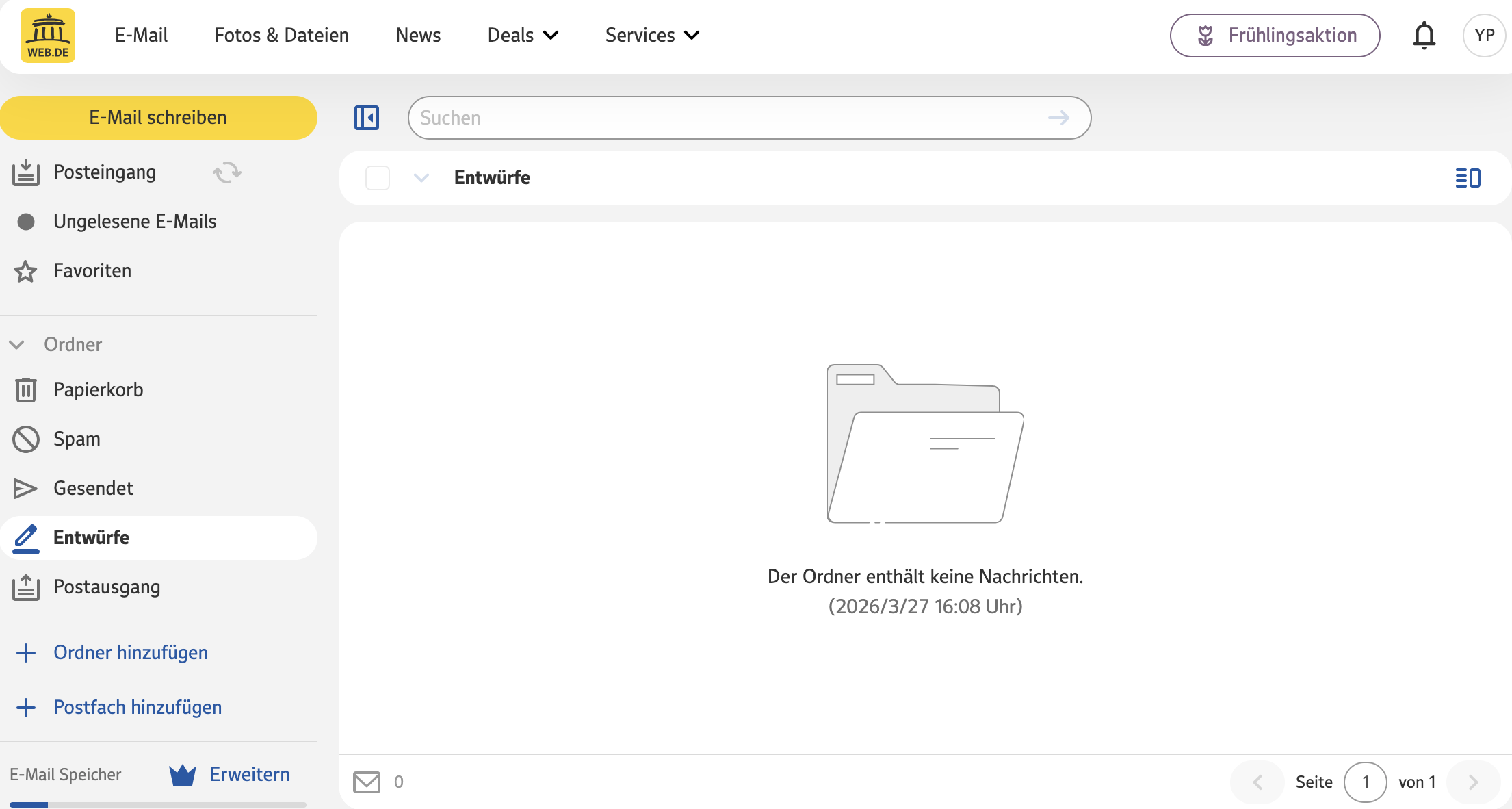
The web.de interface has undergone a substantial modernization. It's a fresh, clean look that marks a significant departure from its previous iterations. The layout is intuitive, and the overall aesthetic feels contemporary.
Local GMX's Latest Webmail (gmx.de/gmx.net)
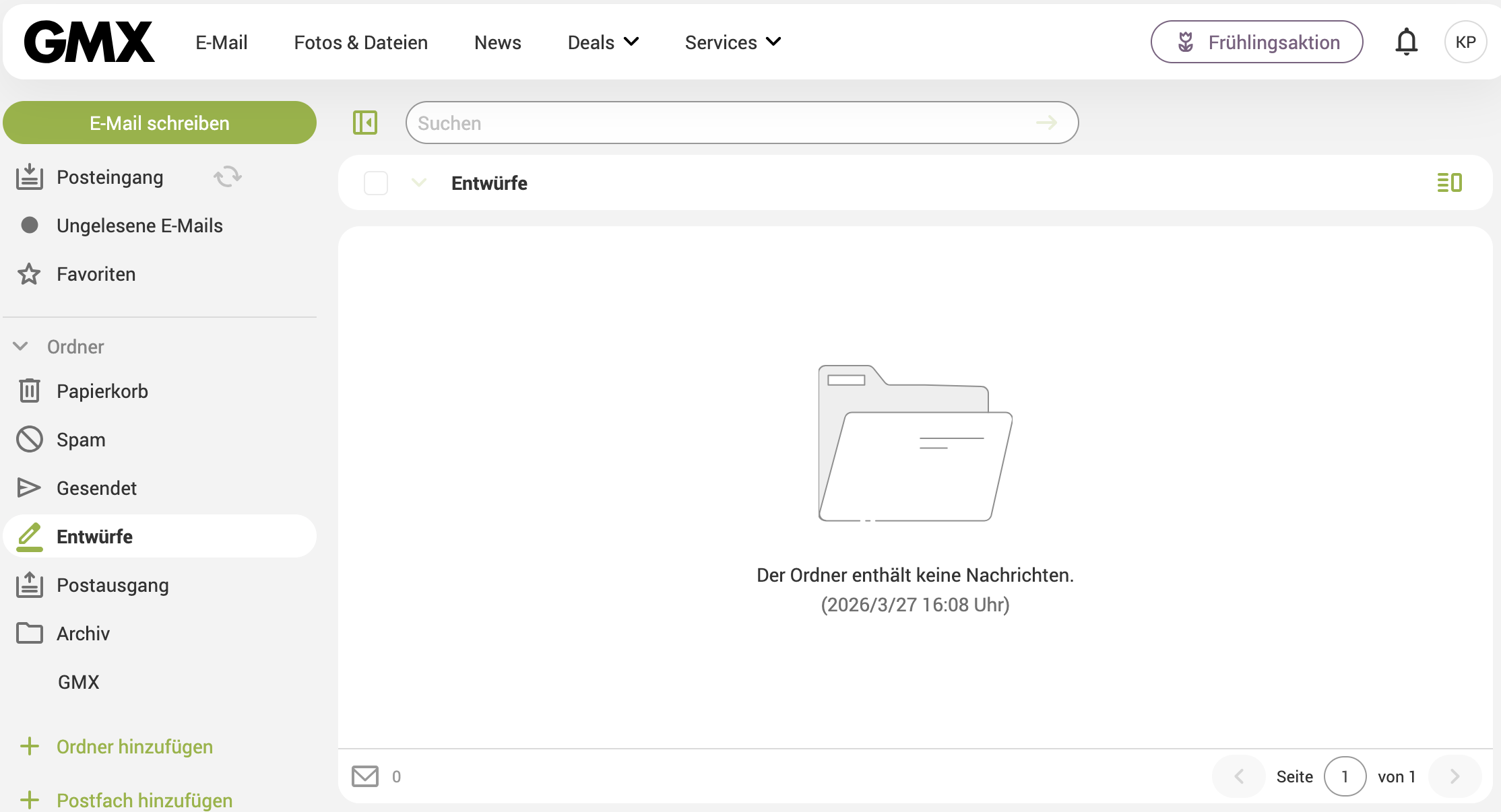
Interestingly, the local GMX service (gmx.de/gmx.net) presents a webmail interface that is strikingly similar to web.de's. Apart from minor font differences, it appears both platforms have adopted a shared, updated template. The new GMX style, with its clean lines and specific color palette, even brings to mind the aesthetic of other privacy-focused German email providers like Posteo.de.
A major quality-of-life improvement for both web.de and local GMX is the introduction of session persistence. Users can now choose to "stay logged in," eliminating the need to re-enter credentials every time they access their inbox – a welcome change for long-time users!
GMX International's Webmail (gmx.com/gmx.fr)
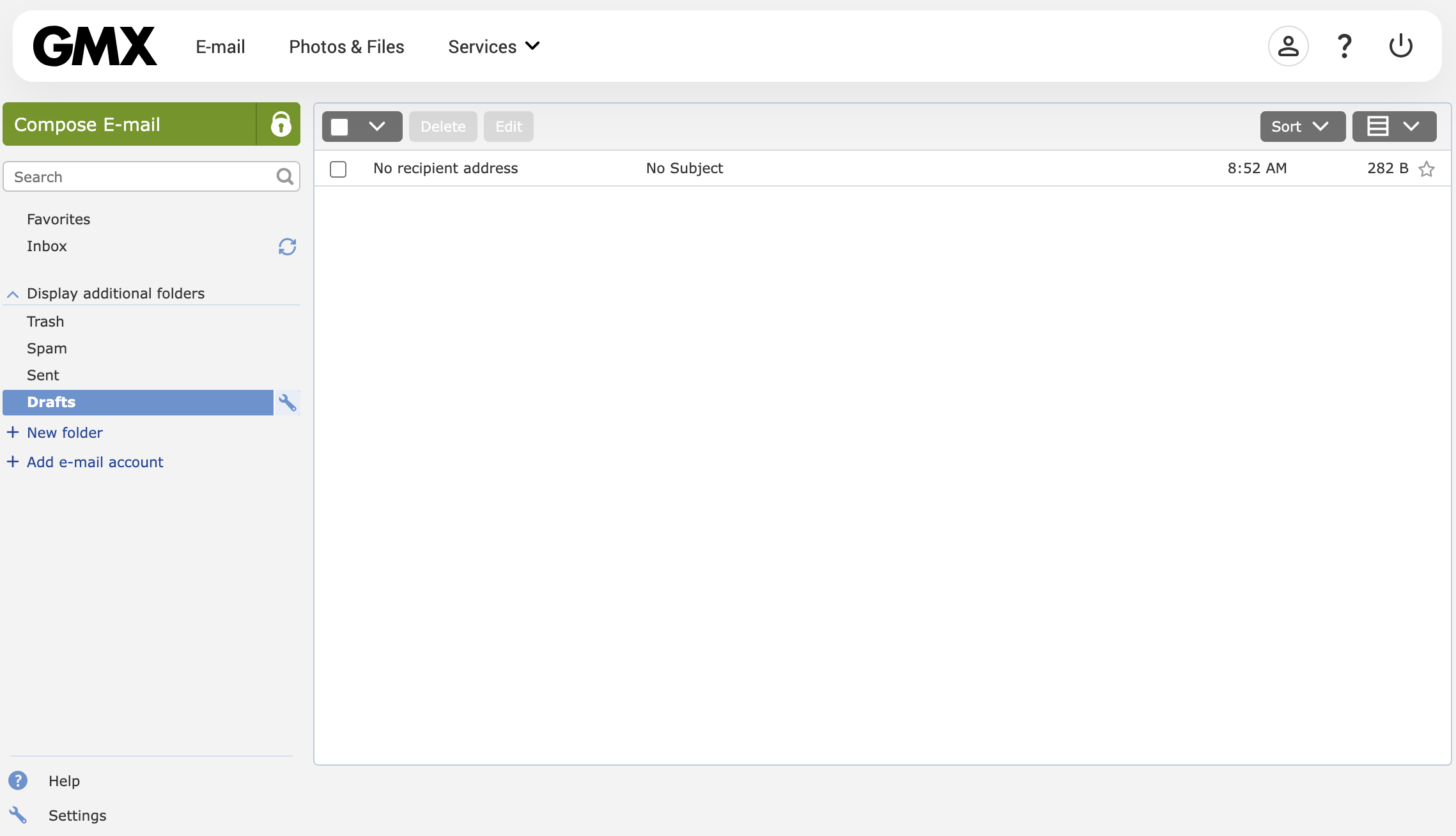
In stark contrast, the international version of GMX (gmx.com, gmx.fr) seems to have remained largely untouched by these modernization efforts. Its webmail interface retains a familiar, albeit somewhat dated, appearance. While it maintains a clean and uncluttered design, it lacks the contemporary polish of its German counterparts. Furthermore, the international version still does not support session persistence, requiring users to log in with each visit.
Beyond the Inbox: Generous Cloud Storage
One notable advantage of the local GMX service is its remarkably generous cloud storage offering. My free account, for example, comes with an impressive 108GB of WebDAV-enabled cloud storage. This is a very respectable allocation, especially for a free service, and adds significant value for users within the German market.
Conclusion
As we look at web.de and GMX in 2026, it's clear that the 1&1 group is investing significantly in its core German email services. The comprehensive redesigns of web.de and local GMX bring them firmly into the modern era, enhancing user experience with updated aesthetics and crucial features like session persistence. The international GMX, however, continues to march to the beat of its own drum, maintaining its classic interface. This dichotomy highlights a strategic focus on the domestic market, where these email giants continue to hold a strong and evolving presence.